
Skip to the end of the images gallery Navigation umschalten
Skip to the beginning of the images gallery Navigation umschalten
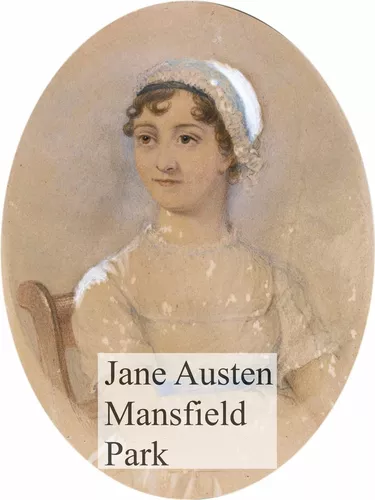
Mansfield Park
ePUB
1.004,2 KB
DRM: kein Kopierschutz
ISBN-13: 9783734770692
Verlag: Books on Demand
Erscheinungsdatum: 15.03.2015
Sprache: Englisch
Barrierefreiheit: Eingeschränkt zugänglich
0,99 €
inkl. MwSt.
sofort verfügbar als Download
Du schreibst?
Erfüll dir deinen Traum, schreibe deine Geschichte und mach mit BoD ein Buch daraus!
Mehr InfosMansfield Park is the third novel by Jane Austen, written at Chawton Cottage between February 1811 and 1813.
It was published in May 1814 by Thomas Egerton, who published Jane Austen's two earlier novels, Sense and Sensibility and Pride and Prejudice.
When the novel reached a second edition in 1816, its publication was taken over by John Murray, who also published its successor, Emma. Mansfield Park is a pygmalion morality epic.
Mansfield Park is the most controversial of Austen's major novels.
Regency critics praised the novel's wholesome morality, but many modern readers find Fanny's timidity and disapproval of the theatricals difficult to sympathise with and reject the idea (made explicit in the final chapter) that she is a better person for the relative privations of her childhood.
Jane Austen's own mother thought Fanny "insipid", and many other readers have found her priggish and unlikeable.
Other critics point out that she is a complex personality, perceptive yet given to wishful thinking, and that she shows courage and grows in self-esteem during the latter part of the story.
Austen biographer Claire Tomalin, who is generally rather critical of Fanny, argues that "it is in rejecting obedience in favour of the higher dictate of remaining true to her own conscience that Fanny rises to her moment of heroism." But Tomalin reflects the ambivalence that many readers feel towards Fanny when she also writes: "More is made of Fanny Price's faith, which gives her the courage to resist what she thinks is wrong; it also makes her intolerant of sinners, whom she is ready to cast aside."
The story contains much social satire, targeted particularly at the two aunts. (wikipedia.com)
It was published in May 1814 by Thomas Egerton, who published Jane Austen's two earlier novels, Sense and Sensibility and Pride and Prejudice.
When the novel reached a second edition in 1816, its publication was taken over by John Murray, who also published its successor, Emma. Mansfield Park is a pygmalion morality epic.
Mansfield Park is the most controversial of Austen's major novels.
Regency critics praised the novel's wholesome morality, but many modern readers find Fanny's timidity and disapproval of the theatricals difficult to sympathise with and reject the idea (made explicit in the final chapter) that she is a better person for the relative privations of her childhood.
Jane Austen's own mother thought Fanny "insipid", and many other readers have found her priggish and unlikeable.
Other critics point out that she is a complex personality, perceptive yet given to wishful thinking, and that she shows courage and grows in self-esteem during the latter part of the story.
Austen biographer Claire Tomalin, who is generally rather critical of Fanny, argues that "it is in rejecting obedience in favour of the higher dictate of remaining true to her own conscience that Fanny rises to her moment of heroism." But Tomalin reflects the ambivalence that many readers feel towards Fanny when she also writes: "More is made of Fanny Price's faith, which gives her the courage to resist what she thinks is wrong; it also makes her intolerant of sinners, whom she is ready to cast aside."
The story contains much social satire, targeted particularly at the two aunts. (wikipedia.com)

Eigene Bewertung schreiben



Es sind momentan noch keine Pressestimmen vorhanden.